
Inglese
English is a Germanic language, part of the Indo-European language family, primarily spoken in the United Kingdom, the United States, Canada, Australia, New Zealand, Ireland, and many other nations worldwide. It is one of the most widely spoken languages globally, both as a native language and as a foreign language. English is also an official language of numerous international organizations, such as the United Nations, and serves as a lingua franca in many global contexts, particularly in business, science, technology, popular culture, and media.

The Net
The internet’s journey began in 1969 with the creation of ARPANET, a project by the U.S. Department of Defense’s DARPA, designed to allow multiple computers to communicate over a network. By the 1970s, the development of the TCP/IP protocol provided a universal language for computers, forming the backbone of internet communication.
In 1983, ARPANET adopted TCP/IP, marking the birth of the modern internet. In 1991, Tim Berners-Lee introduced the World Wide Web, revolutionizing how people accessed and shared information online. The 1990s dot-com boom saw explosive growth in internet use, driven by commercial opportunities.
The 2000s brought widespread broadband access, the rise of social media platforms (e.g., Facebook, Twitter), and the advent of e-commerce giants like Amazon. In the 2010s, the internet expanded further with mobile technology, cloud computing, and the Internet of Things (IoT).
Today, the internet is a global network connecting billions of people and devices, shaping communication, commerce, education, and entertainment, while continuing to evolve with emerging technologies like 5G, AI, and blockchain.

Compiuter networks
Types of Networks:
- LAN: Local networks (homes, offices).
- WAN: Wide networks (e.g., the Internet).
- MAN: City-wide networks.
- PAN: Personal device networks (e.g., Bluetooth).
Functions:
- Share resources (files, printers).
- Enable communication (email, video calls).
- Provide remote access and collaboration.
Computer networks enhance efficiency, reduce costs, and support global connectivity.
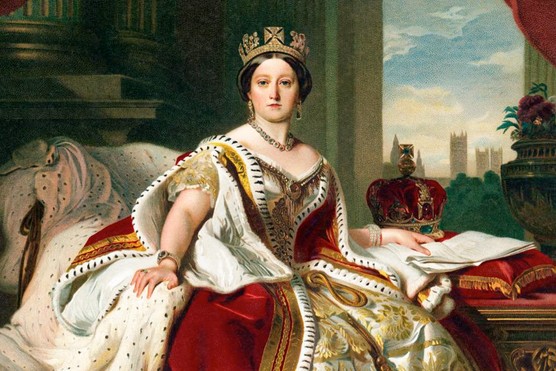
The Victorian Age (1837–1901) was the period of Queen Victoria’s reign in Britain, marked by significant social, political, and industrial changes. It was a time of rapid industrialization, urbanization, and the expansion of the British Empire, making Britain a global power.
Key features include:
- Industrial Revolution: Technological advancements and growth in manufacturing and transportation.
- Social changes: Class divisions, child labor, and reforms in education and labor laws.
- Literature and culture: Writers like Charles Dickens, the Brontë sisters, and Oscar Wilde reflected societal issues.
- Scientific progress: Discoveries by Charles Darwin and others challenged traditional beliefs.
The era shaped modern Britain but also highlighted inequalities and moral dilemmas of progress.
Key Aspects:
- Moral rigidity: Emphasis on family, virtue, and propriety, often hiding societal problems.
- Social progress: Industrial and scientific advancements were coupled with harsh working conditions and class disparity.
- Cultural duality: Literature and art often explored both the idealism and the darker realities of the era.
The compromise symbolized the tension between outward respectability and the challenges of a rapidly changing society.

Oscar Wilde
Oscar Wilde’s works are characterized by sharp social satire and a refined sense of humor. Some of the most significant include:
-
“The Picture of Dorian Gray” (1890) – A novel that explores themes of beauty, morality, and decadence, telling the story of Dorian Gray, who maintains his youth while his portrait ages, reflecting his inner corruption.
-
“The Importance of Being Earnest” (1895) – A brilliant comedy that satirizes Victorian society, with deceptions, false identities, and a critique of social conventions.
-
“Salomé” (1893) – A tragedy that tells the story of Salomé and her destructive desire, which leads to the death of John the Baptist.
-
“The Canterville Ghost” (1887) – A humorous novella about a ghost who fails to scare an American family, blending gothic elements with social satire.
-
“De Profundis” (1905, posthumously) – A deep reflection written in prison, in which Wilde explores his life, his conviction, and his relationship with Lord Alfred Douglas.
Wilde’s works continue to be appreciated for their critique of social hypocrisy and morality, as well as their stylistic brilliance.

The Picture of Dorian Gray (1890) is Oscar Wilde’s only novel, and one of his most famous and controversial works. The story follows Dorian Gray, a handsome young man whose portrait, painted by artist Basil Hallward, captures his outward beauty. Dorian becomes increasingly obsessed with youth and physical appearance, influenced by the hedonistic philosophy of Lord Henry Wotton, a charismatic and cynical aristocrat.
As Dorian indulges in a life of pleasure, excess, and moral corruption, his portrait ages and reflects the deterioration of his soul, while he himself remains young and unspoiled. The painting serves as a mirror to his inner self, showing the consequences of his actions. Over time, Dorian’s descent into decadence leads to tragic events, including the manipulation of others and the loss of his own humanity.
The novel explores themes of beauty, vanity, morality, and the consequences of living a life devoted to aesthetic pleasure without regard for the ethical implications. It critiques the Victorian obsession with outward appearance and societal expectations while questioning the cost of a life led by hedonism. The Picture of Dorian Gray is famous for its philosophical reflections on art, life, and the pursuit of pleasure, as well as its exploration of the duality of human nature.
Differences
The main differences between Oscar Wilde’s novel The Picture of Dorian Gray and its film adaptations lie in the depth of themes and characters, and how they are visually treated:
-
Themes: The novel explores complex themes such as aestheticism, moral decay, and the philosophy of art, while films tend to focus more on the visual aspect of the portrait and the drama, simplifying the philosophical themes.
-
Characters: In the book, characters like Basil and Lord Henry are more complex. In films, Basil is often less central, and the focus is more on Dorian and Lord Henry.
-
The Portrait: In the novel, the portrait is symbolic and invisible to others, representing Dorian’s inner corruption. In films, the portrait is visible and becomes a central element of the visual narrative.
-
Dorian’s Evolution: In the book, Dorian’s transformation is psychological and philosophical, while in films, it is more visual and dramatic, with less psychological exploration.
-
Conclusion: The novel’s ending is symbolic and reflective, with Dorian seeking redemption by destroying the portrait. In films, the ending is more spectacular and dramatic, emphasizing the gothic and visual aspects of the story.
In summary, the book focuses on moral and philosophical reflections, while films often prioritize the visual aspect and drama.

ICT and Education
ICT in Education and E-Learning
Information and Communication Technology (ICT) has revolutionized the education sector, transforming traditional teaching methods into dynamic, interactive, and accessible learning experiences. The integration of ICT in education enhances engagement, facilitates personalized learning, and bridges geographical barriers, making education more inclusive and efficient.
Key Aspects of ICT in Education:
-
Digital Classrooms – Use of smartboards, projectors, tablets, and educational software to create interactive learning environments.
-
Online Learning Platforms – Tools like Learning Management Systems (LMS) (e.g., Moodle, Blackboard, Google Classroom) enable course management, assignments, and assessments.
-
E-Learning (Electronic Learning) – Web-based courses, video lectures, MOOCs (Massive Open Online Courses), and virtual classrooms allow self-paced and remote learning.
-
Gamification & Simulations – Educational games and VR/AR tools enhance engagement and practical understanding.
-
Collaborative Learning – Cloud-based tools (Google Docs, Microsoft Teams) and discussion forums promote teamwork and peer interaction.
-
Accessibility & Inclusivity – ICT supports learners with disabilities through assistive technologies like screen readers and speech-to-text software.
Benefits of ICT and E-Learning:
- Flexibility – Learn anytime, anywhere.
- Cost-Effective – Reduces the need for physical infrastructure.
- Personalized Learning – Adaptive learning technologies cater to individual student needs.
- Global Reach – Breaks geographical barriers, providing access to world-class education.
- Enhanced Engagement – Multimedia content (videos, quizzes, animations) makes learning more interactive.
Challenges:
-
Digital Divide – Unequal access to technology and internet connectivity.
-
Teacher Training – Educators need upskilling to effectively use ICT tools.
-
Cybersecurity & Privacy – Protecting student data in online platforms.
Future Trends:
-
AI-Powered Learning – Chatbots and intelligent tutoring systems.
-
Blockchain for Credentials – Secure digital certification.
-
Metaverse in Education – Immersive 3D learning environments.
ICT and e-learning continue to shape the future of education, making it more interactive, accessible, and learner-centered. As technology evolves, its role in education will only expand, fostering innovation and lifelong learning.

ICT and Jobs
E-Commerce: The Digital Marketplace
E-Commerce (Electronic Commerce) refers to the buying and selling of goods and services over the internet. It has transformed global trade, enabling businesses of all sizes to reach customers worldwide.
Key Aspects of E-Commerce:
-
Business Models:
-
B2C (Business-to-Consumer) – Amazon, Shopify, online retail.
-
B2B (Business-to-Business) – Alibaba, wholesale platforms.
-
C2C (Consumer-to-Consumer) – eBay, Facebook Marketplace.
-
D2C (Direct-to-Consumer) – Brands selling directly via websites (e.g., Nike, Warby Parker).
-
-
Technologies Powering E-Commerce:
-
AI & Chatbots – Personalized recommendations & customer support.
-
Big Data Analytics – Consumer behavior insights & targeted marketing.
-
Mobile Commerce (M-Commerce) – Shopping via smartphones (e.g., apps, WhatsApp commerce).
-
Blockchain & Cryptocurrency – Secure payments & smart contracts.
-
AR/VR – Virtual try-ons (e.g., IKEA’s AR furniture preview).
Benefits of E-Commerce:
- 24/7 Global Reach – Sell beyond geographical limits.
- Lower Operational Costs – No need for physical stores.
- Convenience – Faster transactions, home delivery.
- Data-Driven Decisions – Analytics improve marketing & inventory.
-
Challenges:
-
Cybersecurity Risks – Fraud, data breaches.
-
Logistics & Delivery – Last-mile challenges.
-
Competition – Standing out in a saturated market.
-
Future Trends:
-
Voice Commerce – Shopping via Alexa/Google Assistant.
-
Social Commerce – Instagram Shopping, TikTok Stores.
-
Sustainable E-Commerce – Eco-friendly packaging & carbon-neutral shipping.
Jobs & Careers in Technology
The rapid growth of digital transformation, AI, cloud computing, and cybersecurity has created high-demand careers in tech.
Top Technology Careers & Roles:
-
Software Development
-
Roles: Front-end/Back-end Developer, Full-Stack Engineer, Mobile App Developer.
-
Skills: Python, JavaScript, React, Swift, Kotlin.
-
-
Data Science & AI
-
Roles: Data Scientist, Machine Learning Engineer, AI Specialist.
-
Skills: Python (Pandas, TensorFlow), SQL, Big Data tools.
-
-
Cybersecurity
-
Roles: Ethical Hacker, Security Analyst, SOC Engineer.
-
Skills: Penetration Testing, Firewalls, Cryptography.
-
-
Cloud Computing
-
Roles: Cloud Architect, DevOps Engineer, AWS/Azure Specialist.
-
Skills: Docker, Kubernetes, CI/CD pipelines.
-
-
E-Commerce & Digital Marketing
-
Roles: E-Commerce Manager, SEO Specialist, PPC Analyst.
-
Skills: Google Ads, Shopify, Google Analytics.
-
-
UI/UX Design
-
Roles: UX Designer, Product Designer, Interaction Designer.
-
Skills: Figma, Adobe XD, User Research.
-
Why Pursue a Tech Career?
- High Demand – Tech jobs are growing faster than most industries.
- Remote Work Opportunities – Many roles allow flexible work arrangements.
- Competitive Salaries – Tech professionals earn above-average wages.
- Continuous Learning – Ever-evolving fields with upskilling opportunities.
Challenges in Tech Careers:
-
Fast-Paced Changes – Need for constant upskilling.
-
Skill Gaps – Shortage of qualified professionals in AI, cybersecurity.
-
Work-Life Balance – High-pressure environments in some roles.
Future Trends in Tech Jobs:
-
AI & Automation – More AI-driven roles, fewer repetitive jobs.
-
Green Tech & Sustainability – Careers in renewable energy tech.
-
Metaverse & Web3 Jobs – VR developers, blockchain engineers.

The dangerous side of ICT
Malware: Malicious Software
Definition: Malware is any software intentionally designed to harm devices, steal data, or disrupt operations.
Types of Malware:
-
Viruses – Attach to clean files and spread, corrupting systems.
-
Worms – Self-replicating malware that spreads across networks.
-
Trojans – Disguised as legitimate software to trick users.
-
Ransomware – Encrypts files and demands payment for decryption.
-
Spyware – Secretly monitors user activity (keyloggers, adware).
-
Rootkits – Gains admin-level control to hide malicious activity.
Impacts of Malware:
- Data theft & financial loss.
- System crashes & downtime.
- Reputation damage for businesses.
Prevention & Protection:
-
Use antivirus/anti-malware tools (e.g., Malwarebytes, Norton).
-
Keep software & OS updated.
-
Avoid downloading files from untrusted sources.
-
Regular backups to mitigate ransomware attacks.
Spam: Unsolicited Messages
Definition: Spam refers to unwanted, bulk messages (emails, texts, social media) often used for scams or malware distribution.
Types of Spam:
-
Email Spam – Phishing links, fake promotions.
-
SMS Spam (Smishing) – Fraudulent texts pretending to be banks.
-
Social Media Spam – Fake accounts, bot-generated comments.
Risks of Spam:
- Spreads malware & phishing scams.
- Wastes time and clogs inboxes.
- Can lead to financial fraud.
How to Reduce Spam:
-
Use spam filters (Gmail, Outlook).
-
Never click on suspicious links.
-
Avoid sharing emails publicly.
-
Report spam to authorities (e.g., FTC).
Phishing: Deceptive Cyber Attacks
Definition: Phishing is a social engineering attack where criminals impersonate trusted entities to steal sensitive data (passwords, credit card info).
Common Phishing Techniques:
-
Email Phishing – Fake emails pretending to be from banks, Amazon, etc.
-
Spear Phishing – Targeted attacks (e.g., impersonating a CEO).
-
Clone Phishing – Duplicates a legitimate email with malicious links.
-
Vishing (Voice Phishing) – Scam calls pretending to be tech support.
How to Spot & Avoid Phishing:
- Check sender email addresses for inconsistencies.
- Hover over links before clicking (check URL).
- Look for poor grammar & urgency tactics.
- Enable multi-factor authentication (MFA).
Data Encryption: Securing Information
Definition: Encryption converts data into unreadable code (ciphertext) to prevent unauthorized access.
Types of Encryption:
-
Symmetric Encryption – Single key for encryption/decryption (e.g., AES).
-
Asymmetric Encryption – Public & private keys (e.g., RSA).
-
End-to-End Encryption (E2EE) – Only sender & receiver can read messages (WhatsApp, Signal).
Why Encryption Matters:
- Protects sensitive data (banking, healthcare records).
- Ensures privacy in messaging & cloud storage.
- Required for GDPR, HIPAA compliance.
Encryption Tools & Uses:
-
VPNs – Encrypt internet traffic.
-
SSL/TLS – Secures websites (HTTPS).
-
File Encryption – VeraCrypt, BitLocker.
Future Trends in Cybersecurity
-
AI vs. Cybercrime – AI detects threats but also powers advanced phishing.
-
Quantum Encryption – Unbreakable codes against quantum hacking.
-
Zero Trust Security – “Never trust, always verify” model.

George Orwell
George Orwell (1903–1950): Life and Legacy
Full Name: Eric Arthur Blair
Born: June 25, 1903, in Motihari, British India (now Bihar, India)
Died: January 21, 1950 (aged 46), in London, England
Early Life and Education:
-
Orwell was born to a British colonial civil servant and grew up in England.
-
Attended Eton College (1917–1921) but rejected university, opting instead to join the Indian Imperial Police in Burma (1922–1927).
-
His experiences with imperialism inspired his early works, like Burmese Days (1934), and shaped his disdain for authoritarianism.
Literary Career and Political Awakening:
-
Poverty and Radicalization:
-
After resigning from the police, Orwell lived in poverty in London and Paris, documented in Down and Out in Paris and London (1933).
-
Adopted the pen name “George Orwell” to avoid embarrassing his family.
-
-
Spanish Civil War (1936–1937):
-
Fought against fascism with the POUM militia (a socialist group).
-
Witnessed Stalinist purges of leftists, turning him against totalitarianism (Homage to Catalonia, 1938).
-
-
Major Works:
-
Animal Farm (1945): A satirical allegory of Soviet communism, critiquing Stalin’s betrayal of socialist ideals.
-
*1984* (1949): A dystopian masterpiece exploring surveillance, propaganda, and thought control under a totalitarian regime. Coined terms like Big Brother, Newspeak, and doublethink.
-
Personal Struggles and Death:
-
Orwell battled tuberculosis for years, dying shortly after *1984*’s publication.
-
A lifelong socialist, he distrusted all forms of power, famously writing: “All animals are equal, but some animals are more equal than others” (Animal Farm).
Key Themes in His Work:
-
Anti-totalitarianism: Warned against state control and censorship.
-
Truth and Propaganda: “Political language is designed to make lies sound truthful.”
-
Social Justice: Advocated for the poor and oppressed.
Legacy:
-
Orwell’s critiques of authoritarianism remain eerily relevant in the digital age.
-
The adjective “Orwellian” describes manipulative language or oppressive surveillance.
Famous Quote:
“In a time of universal deceit, telling the truth is a revolutionary act.”
George Orwell’s Works: A Critical Overview
Orwell’s writings blend sharp political critique, stark realism, and moral clarity. His works fall into three categories: novels, essays, and nonfiction.
1. Major Novels
a) Animal Farm (1945)
-
Genre: Political satire / allegorical novella.
-
Plot: Farm animals overthrow humans, only to see their revolution corrupted by power-hungry pigs (symbolizing Stalin’s Soviet Union).
-
Themes:
-
The betrayal of revolutionary ideals (“All animals are equal, but some are more equal than others”).
-
The dangers of totalitarianism and propaganda.
-
-
Legacy: A timeless critique of authoritarianism, often taught as an introduction to political theory.
b) *1984* (1949)
-
Genre: Dystopian fiction.
-
Plot: Winston Smith rebels against the totalitarian Party, which controls reality through Newspeak, thoughtcrime, and omnipresent surveillance (Big Brother).
-
Themes:
-
State surveillance, psychological manipulation, and the erosion of truth (“War is peace. Freedom is slavery. Ignorance is strength”).
-
The power of language to control thought (“If thought corrupts language, language can also corrupt thought”).
-
-
Legacy: Coined terms like Big Brother, Orwellian, and doublethink; remains a cultural touchstone for discussions on privacy and propaganda.
c) Burmese Days (1934)
-
Genre: Colonial critique / semi-autobiographical novel.
-
Plot: Set in British Burma, it follows a disillusioned colonial officer grappling with racism and corruption.
-
Themes:
-
The moral bankruptcy of imperialism.
-
Isolation and hypocrisy in colonial society.
-
d) Coming Up for Air (1939)
-
Genre: Nostalgic realism.
-
Plot: A middle-aged man reminisces about pre-WWI England, contrasting it with the looming threat of WWII.
-
Themes:
-
Disillusionment with modernity.
-
The loss of innocence and identity.
-
2. Nonfiction & Essays
Orwell’s essays are celebrated for their clarity and moral urgency:
a) Homage to Catalonia (1938)
-
Genre: Memoir / war journalism.
-
Summary: Orwell’s firsthand account of fighting fascists in the Spanish Civil War—and later being hunted by Stalinist allies.
-
Key Takeaway: Exposes the infighting among leftist factions and Orwell’s anti-totalitarian awakening.
b) Down and Out in Paris and London (1933)
-
Genre: Autobiographical poverty narrative.
-
Summary: Chronicles Orwell’s experiences as a penniless dishwasher and tramp.
-
Themes:
-
The dehumanizing effects of poverty.
-
Empathy for the working class (“The mass of the rich and the poor are differentiated by their incomes and nothing else”).
-
c) Iconic Essays:
-
Shooting an Elephant (1936): A critique of imperialism’s psychological damage.
-
Politics and the English Language (1946): Argues that vague language enables political deceit.
-
Why I Write (1946): Declares his mission to expose lies and rally for democratic socialism.
3. Recurring Themes in Orwell’s Work
-
Truth vs. Propaganda: The manipulation of language and history (1984’s Ministry of Truth).
-
Class Struggle: Empathy for the oppressed (The Road to Wigan Pier, 1937).
-
Anti-Totalitarianism: Rejection of Stalinism, fascism, and unchecked state power.
-
Moral Decay: How power corrupts ideals (Animal Farm).

James Joyce
James Joyce (1882–1941): Life and Legacy
Full Name: James Augustine Aloysius Joyce
Born: February 2, 1882, in Dublin, Ireland
Died: January 13, 1941, in Zurich, Switzerland
Early Life and Education:
-
Born into a middle-class Catholic family, Joyce was the eldest of ten surviving children.
-
Educated at Clongowes Wood College (a Jesuit school) and later Belvedere College, where he excelled in academics but began rejecting his religious upbringing.
-
Studied modern languages at University College Dublin (1898–1902), where he developed a passion for literature and philosophy (notably Aristotle, Thomas Aquinas, and Henrik Ibsen).
Exile and Artistic Development:
-
In 1904, Joyce met Nora Barnacle, his lifelong partner (they married in 1931). Their first date, June 16, became Bloomsday—the setting for Ulysses.
-
Frustrated by Ireland’s political and cultural constraints, Joyce left for continental Europe in 1904, living in Trieste, Zurich, and Paris. He supported his family through teaching and sporadic patronage, often in financial distress.
Major Works and Literary Revolution:
-
Dubliners (1914):
-
A collection of 15 short stories depicting Irish middle-class life, blending realism and symbolism.
-
Themes: Paralysis (social, moral, spiritual) and epiphanies (sudden moments of revelation).
-
Notable stories: “The Dead,” “Araby,” “Eveline.”
-
-
A Portrait of the Artist as a Young Man (1916):
-
A semi-autobiographical Künstlerroman (artist’s novel) tracing Stephen Dedalus’s intellectual and artistic awakening.
-
Innovations: Stream-of-consciousness narration, free indirect discourse.
-
Key quote: “I will not serve that in which I no longer believe… I will try to express myself in some mode of life or art.”
-
-
Ulysses (1922):
-
Joyce’s masterpiece, a modernist reimagining of Homer’s Odyssey set in Dublin on June 16, 1904.
-
Follows Leopold Bloom (everyman), Stephen Dedalus (artist), and Molly Bloom (earthly muse).
-
Innovations:
-
Stream-of-consciousness (e.g., Molly’s soliloquy).
-
Parody/stylistic experimentation (each chapter mirrors a Homeric episode with a unique narrative style).
-
-
Banned for obscenity in the U.S. and U.K. until the 1930s.
-
-
Finnegans Wake (1939):
-
A multilingual, dreamlike epic blending myth, history, and wordplay.
-
Notoriously difficult: Written in a linguistic dream language (e.g., “riverrun, past Eve and Adam’s…”).
-
Themes: Cyclical history, the unconscious mind.
-
Personal Struggles:
-
Health: Suffered from severe eye diseases (iritis, glaucoma), enduring 25 surgeries and near-blindness.
-
Financial Hardship: Relied on patrons like Harriet Shaw Weaver; Ulysses was initially published by Sylvia Beach’s Shakespeare and Company.
-
Family Turmoil: His daughter Lucia was diagnosed with schizophrenia, and Joyce’s devotion to her care strained his resources.
Death and Legacy:
-
Died in Zurich after a perforated ulcer, buried in Fluntern Cemetery. Nora joined him in 1951.
-
Influence: Revolutionized 20th-century literature with his linguistic innovation, psychological depth, and defiance of conventions.
-
Key Quote: “I’ve put in so many enigmas and puzzles that it will keep the professors busy for centuries arguing over what I meant.”
James Joyce’s Major Works
1. Dubliners (1914)
-
Genre: Short story collection (15 stories).
-
Style: Realism with symbolic undertones.
-
Themes:
-
Paralysis (emotional, social, and moral stagnation in Dublin).
-
Epiphany (sudden moments of self-awareness).
-
-
Notable Stories:
-
“The Dead”: A haunting finale exploring love, loss, and Irish identity.
-
“Araby”: A boy’s romantic disillusionment.
-
“Eveline”: A woman trapped by duty and fear.
-
-
Legacy: A cornerstone of modernist short fiction; influenced later writers like Flannery O’Connor.
2. A Portrait of the Artist as a Young Man (1916)
-
Genre: Semi-autobiographical Bildungsroman (coming-of-age novel).
-
Style: Stream-of-consciousness, free indirect discourse.
-
Plot: Follows Stephen Dedalus (Joyce’s alter ego) from childhood to young adulthood as he rejects religion, family, and nationalism to embrace art.
-
Key Themes:
-
Identity & Rebellion (“I will not serve”).
-
Artistic Freedom vs. societal constraints.
-
Religion & Guilt (the infamous “Hellfire sermon”).
-
-
Innovations:
-
Shifts in narrative voice to mirror Stephen’s intellectual growth.
-
Lyrical prose and interior monologue.
-
-
Famous Line: “Welcome, O life! I go to encounter for the millionth time the reality of experience and to forge in the smithy of my soul the uncreated conscience of my race.”
3. Ulysses (1922)
-
Genre: Modernist epic (often called the greatest novel of the 20th century).
-
Structure: 18 episodes mirroring Homer’s Odyssey, set in Dublin on June 16, 1904 (Bloomsday).
-
Main Characters:
-
Leopold Bloom (a Jewish ad canvasser, the “everyman”).
-
Stephen Dedalus (the brooding artist).
-
Molly Bloom (Leopold’s wife, whose soliloquy closes the novel).
-
-
Key Episodes & Styles:
-
“Proteus” (Stephen’s stream-of-consciousness on Sandymount Strand).
-
“Circe” (a hallucinatory play script set in a brothel).
-
“Penelope” (Molly’s unpunctuated, 25,000-word monologue).
-
-
Themes:
-
The Mundane as Epic (ordinary life elevated to mythic scale).
-
Identity, Sexuality, and Mortality.
-
Irish Nationalism & Anti-Semitism.
-
-
Controversy: Banned for obscenity in the U.S. until 1933.
-
Legacy: Redefined the novel’s possibilities; inspired writers like Samuel Beckett and Salman Rushdie.
4. Finnegans Wake (1939)
-
Genre: Experimental, dream-narrative.
-
Style: Multilingual puns, portmanteau words, cyclical structure.
-
Plot: A hallucinatory “night novel” following HCE (Humphrey Chimpden Earwicker), his wife ALP (Anna Livia Plurabelle), and their children in a dreamscape of history, myth, and language.
-
Key Features:
-
Language as Dream Logic: “riverrun, past Eve and Adam’s…” (the book’s famous opening).
-
Vico’s Cycles: History repeats in four stages (birth, marriage, death, resurrection).
-
-
Themes:
-
Eternal Recurrence (death and rebirth).
-
The Unconscious Mind.
-
-
Reception: Divisive—hailed as genius by some, unreadable by others.
-
Influence: Precursor to postmodernism; compared to “reading the Bible in a dream” (T.S. Eliot).
Minor Works & Poetry
-
Exiles (1918): Joyce’s only play, exploring themes of betrayal and artistic exile.
-
Chamber Music (1907): Early lyric poetry, influenced by Elizabethan verse.
-
Pomes Penyeach (1927): Sparse, personal poems.
Joyce’s Literary Innovations
-
Stream-of-Consciousness: Capturing thoughts in raw, unfiltered flow (Ulysses, Portrait).
-
Mythic Parallels: Using Homer, Dante, and Irish folklore to frame modern life.
-
Linguistic Play: Inventing words, bending grammar (Finnegans Wake).
-
Epiphanies: Moments where characters grasp deeper truths (Dubliners).